Isabel Dresler doesn’t chase perfection. She chases truth-in the way light falls across a desert dune at sunset, in the quiet laugh of a child between two adults who don’t know they’re being watched, in the tired but proud eyes of a woman adjusting her abaya after a long shift. Her camera doesn’t ask for poses. It asks for presence. And that’s why her work in Dubai stands out in a city often defined by spectacle rather than substance.
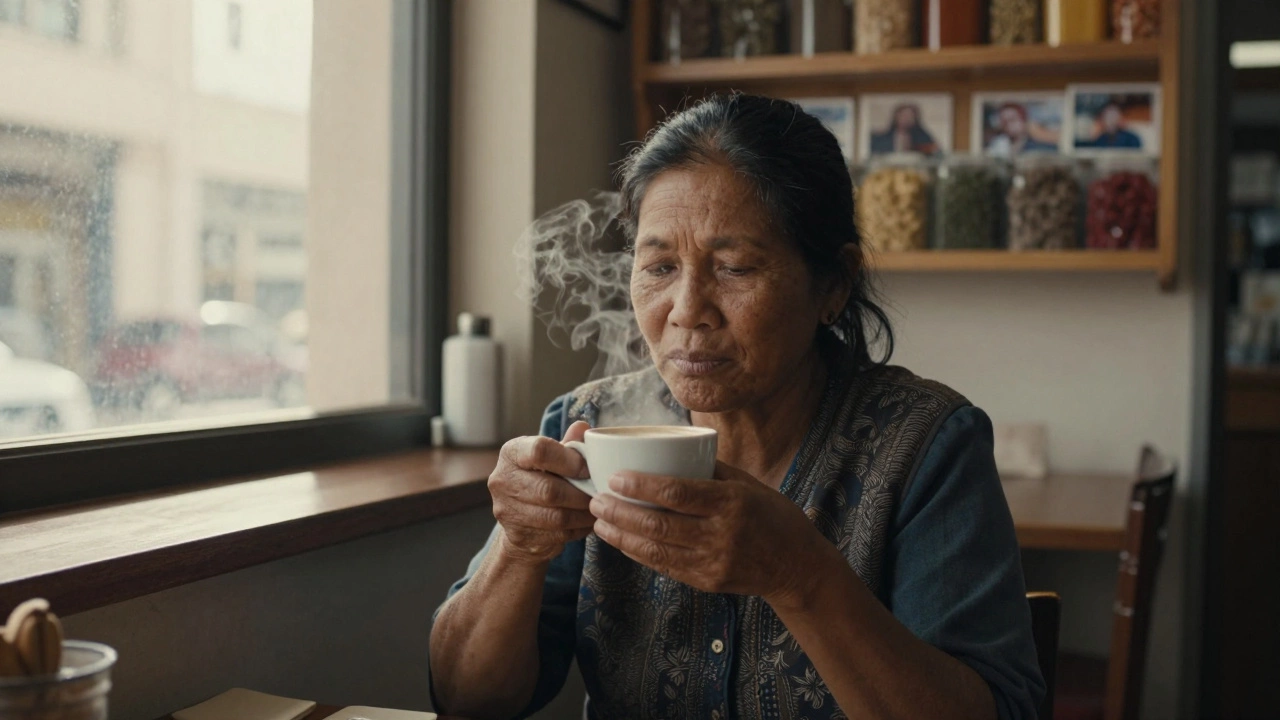
When she first arrived in Dubai in 2020, she was told to focus on luxury villas, golden cars, and smiling models in designer dresses. She tried it for a month. Then she started walking. She spent mornings in Deira’s spice markets, afternoons in the back alleys of Bur Dubai, and evenings in the expat communities of Jumeirah. That’s where she met people who didn’t care about being photographed-they were too busy living. One of those moments led her to a small café run by a Filipino woman who served coffee and stories in equal measure. It was there, over a cup of cardamom-spiced brew, that Isabel first heard about filipina escort dubai-not as a service, but as a life choice for women trying to support families thousands of miles away. She didn’t write a story about it. She just listened. And when she returned a week later, she brought a print of the woman’s hands holding the coffee cup. No words. Just the image.
Why Dubai Changes How You See Light
Dubai’s light is brutal. It bleaches color, flattens depth, and turns skin into a glare. Most photographers fight it with filters, flashes, and editing presets. Isabel lets it win. She waits. She shoots at 5:37 a.m., when the sun is still low enough to kiss the top of the Burj Khalifa without burning out the shadows. She uses a 50mm f/1.8 lens-nothing fancy-and shoots in natural light only. Her editing? A single adjustment: contrast. That’s it. She doesn’t touch skin tones. She doesn’t remove wrinkles. She doesn’t erase the lines around a man’s eyes after a 14-hour shift at the airport.
Her series ‘Shadows of the Gulf’ was exhibited at the Dubai Design District in 2023. It featured 27 portraits. None of them were paid models. One was a Sudanese security guard who’d been working 12-hour shifts for eight years. Another was a Bangladeshi cleaner who saved every dirham to send home to her three children. The third was a woman from Manila who worked nights as a housekeeper and days studying English online. She didn’t tell Isabel her story until the third visit. By then, Isabel had already taken five photos. The woman asked if she could wear her grandmother’s necklace in the next one. Isabel said yes.
What People Don’t Talk About in Dubai Escort Reviews
Dubai is full of contradictions. It’s one of the wealthiest cities on earth, yet nearly 90% of its population are expats living under temporary visas. Many come for work. Some come for survival. And in the shadows of the city’s glittering towers, there’s a quiet economy built on intimacy-paid companionship, emotional labor, and the kind of human connection that doesn’t show up on tourist brochures. You’ll find it in the reviews of dubai escort reviews, where people write about ‘discreet evenings’ and ‘understanding conversation.’ But few talk about the loneliness behind the service. Fewer still ask why these women are here.
Isabel doesn’t photograph them. She doesn’t need to. Her work shows the spaces they leave behind: a half-packed suitcase on a hotel bed, a phone charging beside a child’s drawing taped to the wall, a pair of high heels left outside a door at 3 a.m. She calls it ‘the architecture of absence.’
The Arab Presence You Don’t See in Tourism Ads
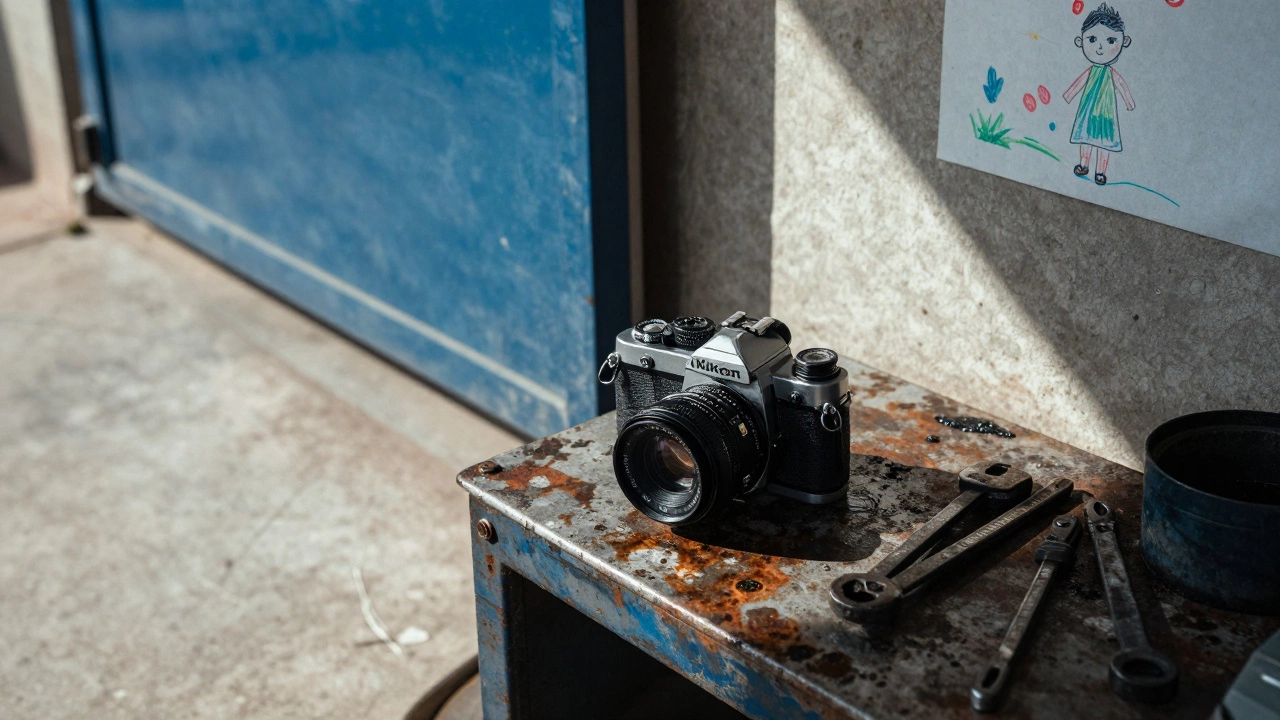
Most international photographers come to Dubai to shoot the skyline, the desert, the malls. Isabel shoots the people who make those places function. She spent six months following an Emirati family in Al Ain-a father who works as a mechanic, his wife who runs a small home-based catering business, their two daughters who study at a public school. She didn’t ask for permission to photograph them. She just showed up with tea and a notebook. After three weeks, the father handed her his old camera-a 1990s Nikon-and said, ‘You see what we are. Maybe you can teach my daughter to see too.’
That’s when she started working with local schools to teach photography to teenagers from low-income neighborhoods. Her students, mostly Emirati girls, now document their own lives: a mother cooking in a kitchen with no running water, a brother fixing a bicycle with duct tape, a grandmother singing old songs in Arabic. One of them recently won a regional youth photography award. Isabel didn’t enter her name. She just showed up at the ceremony and took a photo of the girl holding her prize.
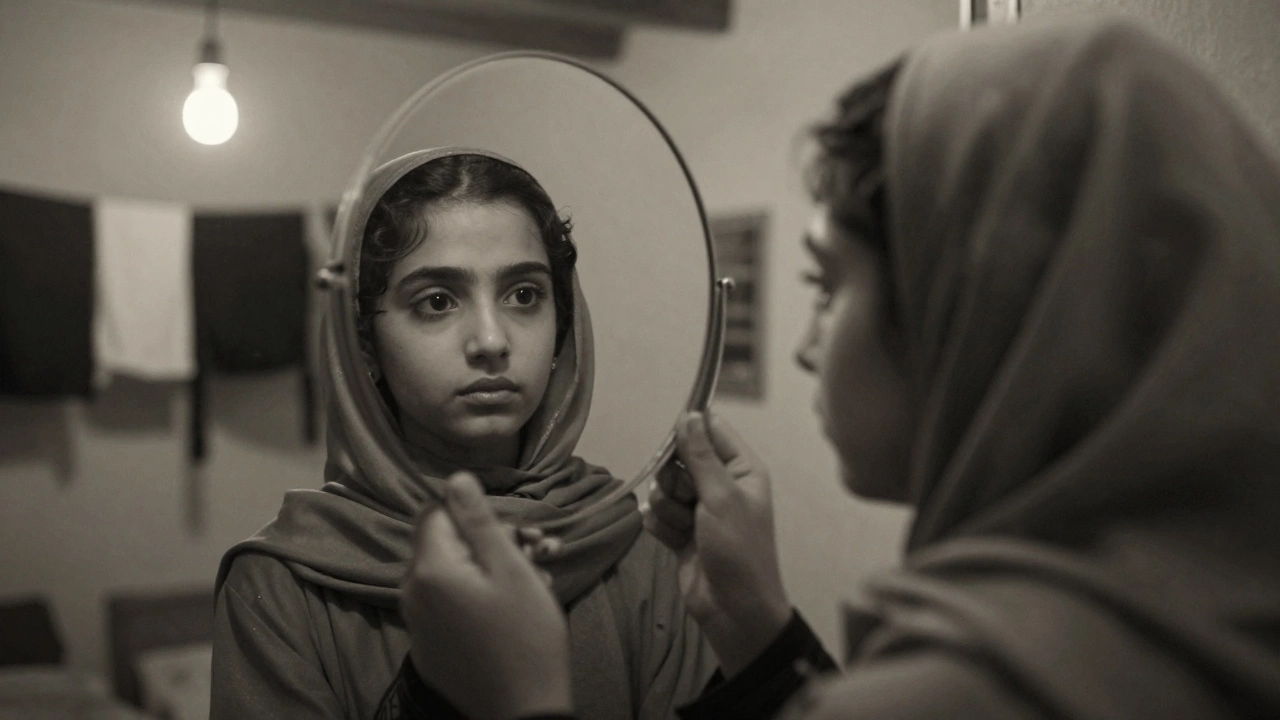
Her most powerful image from that project? A girl holding a mirror up to her own face, with the reflection showing her mother’s eyes. The caption? ‘I look like her. But I won’t be her.’
She also photographed a man in Deira who sells dates from a cart outside a mosque. He’s been doing it for 32 years. He doesn’t speak English. Isabel learned to say ‘Shukran’ and ‘Tayyib’-thank you, good. He started leaving her a bag of dates every time she came. One day, he handed her a photo he’d taken with his phone: himself at age 20, standing in front of the same cart. She asked if he’d ever taken a picture of his family. He shook his head. ‘They’re not here,’ he said. ‘I’m the last one.’ She didn’t ask why. She just took his hand and pressed the shutter. The photo is called ‘The Last of His Line.’
What She’s Learned About Human Connection
Isabel doesn’t believe in ‘capturing moments.’ She believes in earning them. She’s spent hours waiting for someone to look up from their phone. She’s sat in silence for 40 minutes while a woman cried quietly after her husband left. She’s been kicked out of homes for being ‘too quiet.’ She’s been invited to weddings, funerals, and Ramadan dinners because people felt she wasn’t there to take-they were there to stay.
Her favorite quote, written in the margin of her notebook: ‘The most honest thing a person can do is let you see them when they think no one is watching.’
She’s not interested in fame. She doesn’t have an Instagram with 100k followers. She doesn’t sell prints to collectors. She gives them away-to the people in the photos. One woman in Jumeirah still has the print Isabel gave her of her daughter’s first day of school. She keeps it in a plastic sleeve next to her husband’s death certificate.
Why She Won’t Leave Dubai
People ask her why she doesn’t move to Paris or New York. She says Dubai is the only place where she’s ever felt truly invisible. And that’s the point. In a city built on performance, she found quiet. In a place obsessed with image, she found truth. She doesn’t photograph luxury. She photographs resilience.
She’s working on a new project now: ‘The Ones Who Stay.’ It’s about the women who came to Dubai for work and never left-not because they wanted to, but because they had no other choice. Some are mothers. Some are survivors. Some are just tired. She’s interviewed 12 so far. One is an arab escort in dubai who studied medicine in Cairo but couldn’t find a job. She now works three nights a week, saves the rest for her niece’s education. Isabel met her at a 24-hour pharmacy in Al Quoz. They talked for three hours. The next day, Isabel brought her a thermos of coffee and a new pair of shoes.
She doesn’t plan to publish a book. She doesn’t plan to exhibit again. She just keeps showing up. And when people ask what she’s doing, she says, ‘I’m learning how to be human.’